
Natural Supplements vs. Prescription Meds: Navigating Integrative Health Safely
- When it comes to achieving a “cure” for ailments or maintaining long-term “care” for our bodies, the debate often settles into two camps: conventional prescription medications and natural supplements. Modern medicine has provided us with life-saving antibiotics, advanced surgeries, and targeted therapies. Simultaneously, ancient wisdom and nutritional science remind us that the earth offers potent compounds that support the body’s innate healing capacity.
The most effective approach to health is rarely an “either-or” choice. Instead, it is about finding a safe, evidence-based balance. Using natural supplements vs. prescription meds requires a nuanced understanding of how these substances interact, their intended purposes, and the risks involved in self-prescribing. In this guide, we will explore how to navigate these two worlds to create a truly holistic health plan.
Understanding the Roles of Meds and Supplements
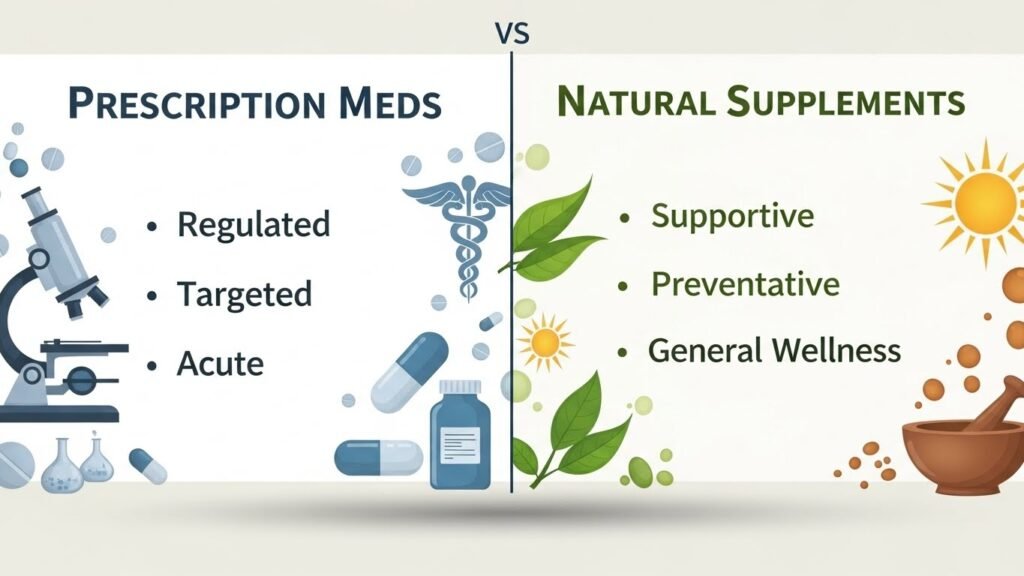
Prescription medications are designed to treat specific diseases or symptoms. They undergo rigorous clinical trials to prove their safety and efficacy for a particular condition. They are often “acute” interventions—designed to stop an infection, lower a dangerous blood pressure level, or manage a complex neurological disorder.
On the other hand, natural supplements—including vitamins, minerals, herbs, and amino acids—are generally intended to support the body’s functions or fill nutritional gaps. While some supplements have potent therapeutic effects, they are often used for “preventative care” or to enhance general wellness. Understanding this fundamental difference is the first step in managing natural supplements vs. prescription meds effectively.
The Benefits of an Integrative Approach
Integrative medicine is a practice that combines the best of both worlds. For example, a doctor might prescribe a statin to manage high cholesterol (the “cure”) while also recommending Coenzyme Q10 (the “care”) to mitigate the muscle aches sometimes caused by the medication.
By viewing the body as a whole system, you can use supplements to support organs that strong medications might otherwise stress. However, this must always be done under professional supervision to avoid the “hidden” dangers of mixing natural and synthetic compounds.
The Hidden Risk: Dangerous Interactions
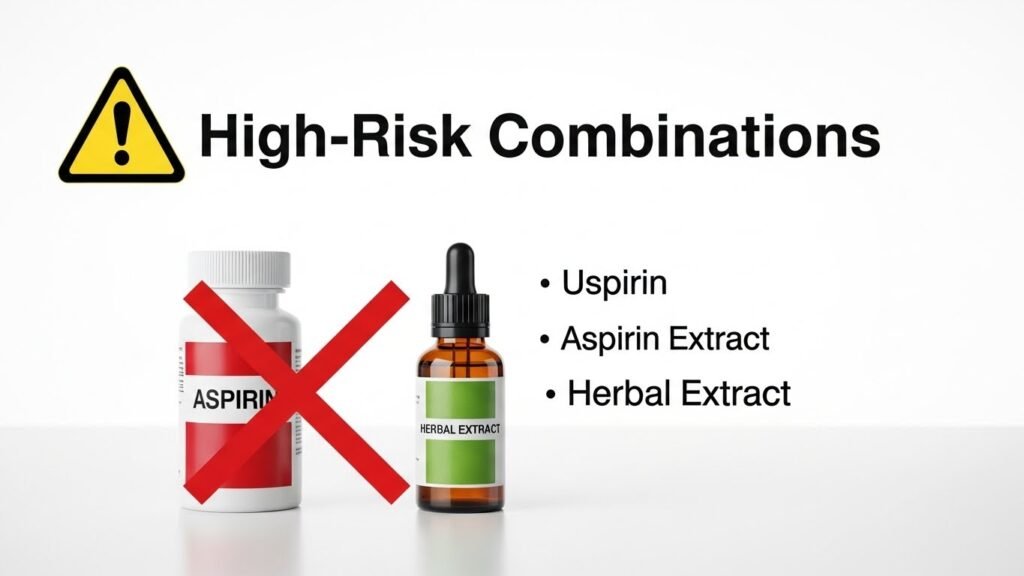
One of the most common mistakes in home-based care is assuming that “natural” always means “safe.” Many plants contain potent chemicals that can either block or dangerously increase the effects of prescription drugs.
- St. John’s Wort: Often used for mild depression, this herb can significantly reduce the effectiveness of birth control pills, blood thinners, and heart medications.
- Grapefruit Seed Extract: This can interfere with how the liver processes certain medications, leading to toxic drug levels in the bloodstream.
- Vitamin K: While essential for health, high doses can interfere with the blood-thinning effects of medications like Warfarin.
- Ginkgo Biloba: Used for memory support, it can increase the risk of bleeding if taken with aspirin or other anticoagulants.
Quality Control: Why Your Source Matters
The pharmaceutical industry is strictly regulated. When you buy a prescription pill, you know exactly how many milligrams of the active ingredient you are getting. The supplement industry is often less regulated, meaning the label on the bottle may not always match what is inside.
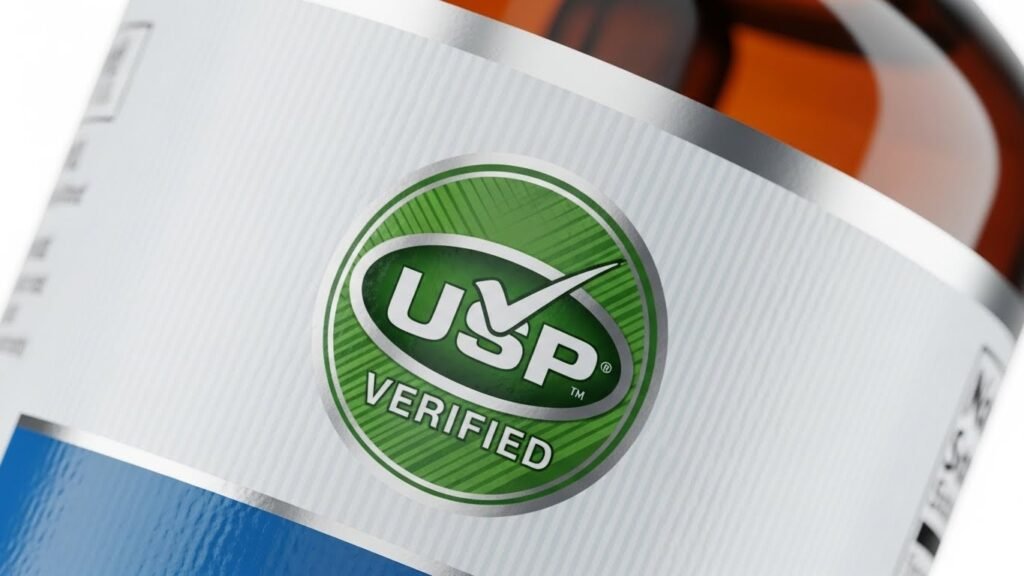
When choosing natural supplements vs. prescription meds, look for third-party certifications on supplement bottles. Labels like “USP Verified” or “NSF Certified” indicate that the product has been tested for purity and potency. Avoid “miracle cures” sold on social media that lack transparent ingredient lists.
When to Prioritize Prescription Medications
There are times when natural alternatives cannot replace clinical interventions. In the following scenarios, relying solely on supplements can be dangerous:
- Infectious Diseases: Supplements cannot cure bacterial infections; antibiotics are necessary to prevent the spread of disease.
- Emergency Situations: High-risk conditions like a stroke, heart attack, or severe allergic reaction require immediate pharmaceutical intervention.
- Chronic Management: While lifestyle changes and supplements help, conditions like Type 1 Diabetes require insulin—a prescription medication—for survival.
When to Prioritize Natural Support
Conversely, there are areas where the “care” provided by natural interventions may be more sustainable and have fewer side effects than long-term medication use.
- Digestive Health: Probiotics and dietary fibre often provide better long-term results for gut health than frequent laxative use.
- Mild Nutritional Deficiencies: Correcting a Vitamin D or Iron deficiency through supplements is often the most direct path to restoring energy levels.
- Sleep Hygiene: Before turning to heavy sedative prescriptions, many people find success with magnesium or melatonin in a controlled environment.

How to Talk to Your Doctor About Supplements
Many patients hide their supplement use from their doctors because they fear being judged. However, your physician needs to know everything you are taking to protect you from interactions.
Use these advocacy steps:
- Bring the Bottles: Don’t just name the supplement; bring the actual bottle so the doctor can see the exact dosage and additional ingredients.
- Ask for Blood Work: You can test for levels of Vitamin D, B12, and various minerals. Don’t guess—test.
- Identify Your Goal: Tell your doctor why you are taking the supplement (e.g., “I’m taking this for joint pain”) so they can suggest the most effective clinical or natural path.

The Role of Nutrition as Medicine
The most natural “supplement” of all is a nutrient-dense diet. Before spending hundreds of dollars on pills, focus on “whole-food” nutrition. Many of the anti-inflammatory benefits of supplements like Turmeric can be found by incorporating the spice into your cooking, along with black pepper to increase absorption. This is the ultimate way to balance natural supplements vs. prescription meds—by making your plate the primary source of your “care.”
Common Mistakes to Avoid
- Self-Diagnosing: Using a supplement to “treat” a symptom without knowing the underlying cause can delay a necessary medical diagnosis.
- The “More is Better” Fallacy: Some vitamins, like Vitamin A and D, are fat-soluble and can build up to toxic levels in the body if over-supplemented.
- Ignoring the “Wash-Out” Period: If you have an upcoming surgery, you must stop most herbal supplements two weeks prior, as many can cause unexpected bleeding or interfere with anesthesia.
Developing a Personalized Protocol
No two bodies are the same. A protocol that works for one person may be ineffective or even harmful for another. A personalized approach involves:
- Standard Labs: Establishing a baseline of your current health.
- Selective Supplementation: Adding only what is missing or needed for a specific period.
- Phasing: Periodically stopping a supplement to see if it is still providing a benefit.
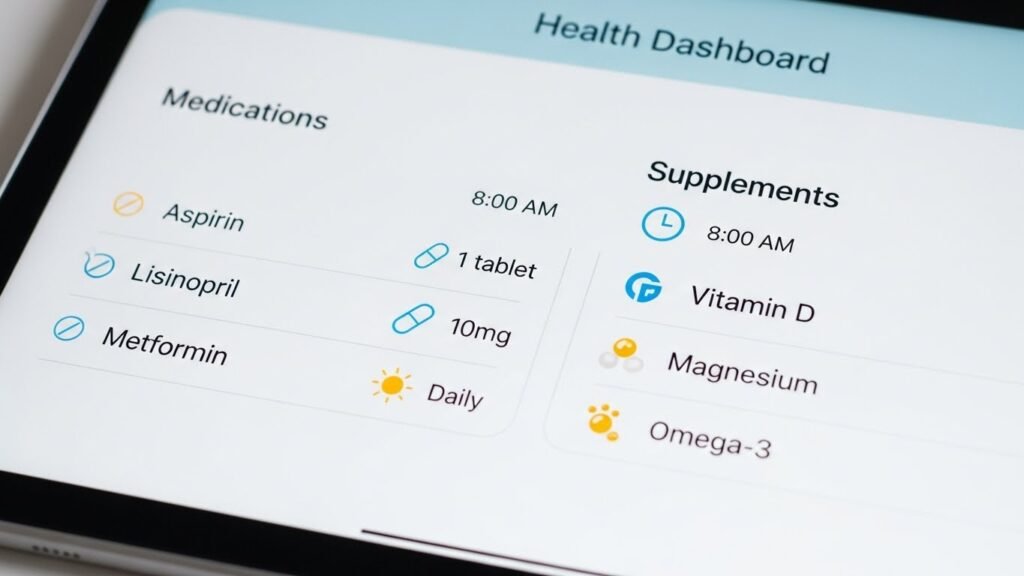
- Professional Review: Having a doctor or pharmacist review your entire list of natural supplements vs. prescription meds every six months.

Conclusion: The Middle Path to Healing
The journey toward health is not a battle between the laboratory and the garden. Both have their place in a modern “cure and care” strategy. By respecting the power of prescription medications for acute needs and valuing the supportive role of natural supplements for long-term wellness, you create a resilient health foundation.
Always prioritize safety, demand quality, and maintain an open dialogue with your healthcare team. When you balance the precision of science with the wisdom of nature, you don’t just survive—you thrive.
Safety Summary for Supplements
- Consult a Pro: Never start a new herb if you are on life-saving medication.
- Check the Label: Look for third-party testing seals.
- Monitor Changes: Keep a log of how you feel after starting a new supplement.
- Stop Before Surgery: Always inform your surgeon about your supplement routine.